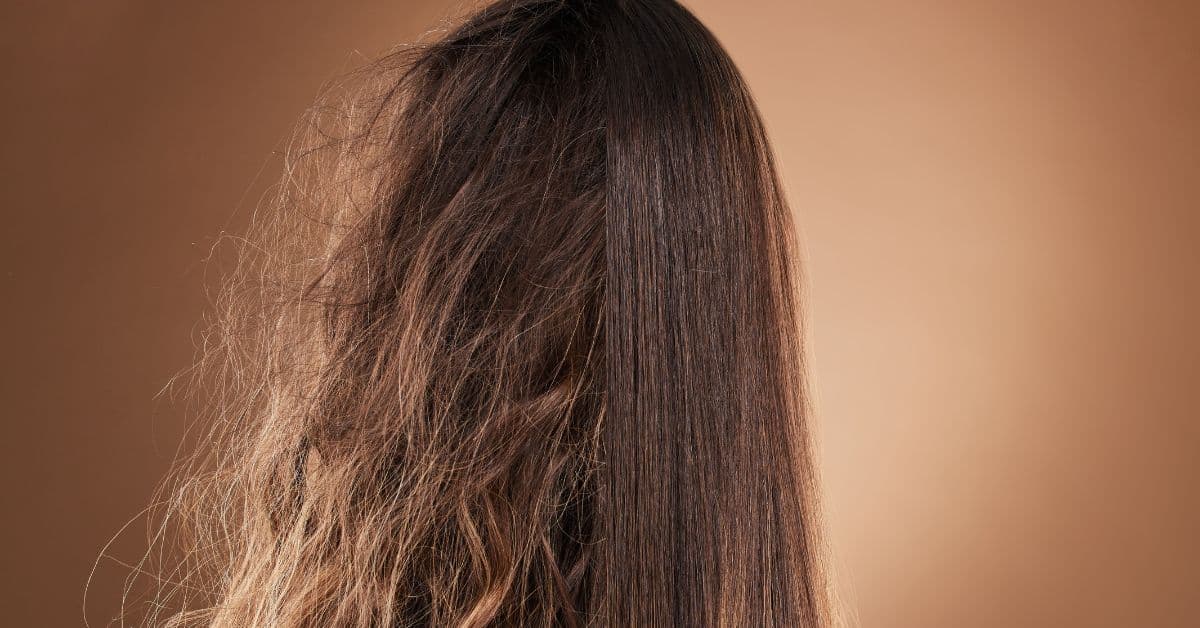
How to Repair Bleached Hair: Expert Tips for Healthier Strands
Bleaching can create stunning blonde, ash, or fashion hair colours, but it can also leave your hair feeling dry, fragile, and more prone to breakage if it is not cared for properly. The good news is that with the right hair care routine, nourishing treatments, and professional advice, bleached hair can become healthier, smoother, and easier to manage over time. Whether you’ve recently lightened your hair or have been colouring it for years, understanding how to repair and protect your hair is essential for maintaining both its strength and appearance. This guide shares practical tips to help you restore bleached hair while keeping it looking vibrant and healthy.
|
Table of Contents 1. Why Does Bleaching Damage Hair?
3.1 Keep Hair Hydrated 3.2 Reduce Heat Styling 3.3 Choose the Right Hair Products 3.4 Trim Damaged Ends
|
1. Why Does Bleaching Damage Hair?
Bleaching is one of the most effective ways to achieve lighter hair colours, but it also changes the hair’s natural structure. During the process, the bleach opens the hair cuticle and removes the natural pigment. While this creates the ideal base for blonde, ash, or pastel shades, it can also reduce moisture and weaken the hair if it is not properly cared for.
After bleaching, some people notice that their hair feels rough, dry, or difficult to manage. This is completely normal, especially if the hair has been lightened several times. Fortunately, the right hair care routine and professional treatments can significantly improve its condition.
2. Signs Your Hair Needs Repair
Bleached hair does not always show damage immediately. Knowing the warning signs can help you take action before the problem becomes more severe.
Common signs include:
- Dry or brittle hair
- Split ends
- Increased breakage
- Frizz and flyaways
- Hair that tangles easily
- Loss of shine
- Hair that feels stretchy when wet
If you notice several of these symptoms, it may be time to focus on repairing your hair instead of scheduling another colouring appointment.
3. Simple Ways to Restore Bleached Hair
Healthy hair recovery starts with consistent care rather than quick fixes.
3.1 Keep Hair Hydrated
Moisture is one of the biggest priorities after bleaching. Use a nourishing conditioner every time you wash your hair and include a deep-conditioning mask once or twice a week.
3.2 Reduce Heat Styling
Hair straighteners, curling irons, and frequent blow-drying can increase dryness. Whenever possible, allow your hair to air dry or use the lowest heat setting with a heat protectant.
3.3 Choose the Right Hair Products
Look for shampoos and conditioners formulated for coloured or chemically treated hair. Sulphate-free products are generally gentler and help maintain both moisture and colour.
3.4 Trim Damaged Ends
Although treatments improve the condition of your hair, split ends cannot be permanently repaired. Regular trims help prevent damage from travelling further up the hair shaft while keeping your hair looking healthier.
4. Professional Treatments That Make a Difference
Home care is important, but professional treatments provide deeper repair for hair that has been heavily bleached or chemically processed.
| Treatment | Best For | Key Benefits |
|---|---|---|
| K18 Hair Treatment | Bleached or chemically treated hair | Helps repair damaged keratin chains, improves strength and softness |
| Olaplex Hair Treatment | Hair weakened by colouring | Helps rebuild broken hair bonds and reduce breakage |
| Keratin Treatment | Dry, frizzy hair | Improves smoothness, shine, and manageability |
These treatments work in different ways, and an experienced stylist can recommend the most suitable option based on your hair condition.
While K18 and Olaplex focus on repairing and strengthening damaged hair, some people also consider keratin treatments to improve manageability and reduce frizz. If you’re wondering whether it’s the right option, explore our article Is Keratin Treatment Suitable for Curly Hair? What You Need to Know.
5. Daily Habits That Help Protect Bleached Hair
Small changes to your daily hair care routine can make a noticeable difference in the health and appearance of bleached hair. By adopting gentle hair care habits and using the right products consistently, you can reduce breakage, retain moisture, and help your hair recover more effectively over time.
Try to:
- Wash your hair two or three times a week instead of daily.
- Use a microfibre towel to reduce friction.
- Sleep on a silk or satin pillowcase.
- Protect your hair from excessive sun exposure.
- Avoid tight hairstyles that place unnecessary stress on weakened hair.
These habits help minimise breakage while maintaining smoother, healthier strands.
6. When Should You Visit a Hair Salon?
Sometimes home care alone is not enough. Professional advice is recommended if:
- Your hair snaps easily.
- Hair feels gummy when wet.
- You have recently undergone multiple bleaching sessions.
- Your colour has become uneven.
- You are planning another colour transformation.
A personalised consultation allows your stylist to assess your hair condition and recommend the safest approach for future colouring services.
Looking for an expert hair treatment service? Professional treatments and personalised care can help restore strength, improve manageability, and prepare your hair for future colour appointments.
7. Final Thoughts
Bleached hair requires patience, consistency, and the right care to stay healthy. While home maintenance is essential, professional treatments can make a significant difference for hair that has become dry, weak, or over-processed.
At Blonde & Pastel Hair Salon, we focus on creating beautiful hair colour results while protecting the health of your hair. Our experienced stylists assess your hair and recommend personalised solutions, including K18, Olaplex, and other restorative treatments to help improve its strength and appearance.
8. Frequently Asked Questions
Can bleached hair become healthy again?
Yes. While severely damaged hair cannot be completely reversed, professional treatments and a consistent hair care routine can significantly improve its strength, softness, and appearance.
Is K18 or Olaplex better for bleached hair?
Both treatments offer different benefits. K18 focuses on repairing damaged keratin chains, while Olaplex helps rebuild broken hair bonds. Your stylist can recommend the most suitable treatment based on your hair condition.
How long does it take to repair bleached hair?
The recovery time varies depending on the level of damage and your hair care routine. Many people notice improvements within several weeks when following a consistent treatment plan.
Should I bleach my hair again if it already feels damaged?
It is generally advisable to strengthen your hair first. A professional consultation can determine whether your hair is ready for another chemical service.
How often should I have professional hair treatments?
Many clients benefit from professional treatments every four to six weeks, depending on their hair condition and colouring routine.